





Given that there tends to be a lot of death in horror novels—kind of an inevitability when there are vampires, zombies, and slashers running around—it’s not surprising that a fair number of these stories also deal with grief. While many deaths in horror stories exist purely to give readers a gory thrill, some provide a chance to deeply engage with the emotional pain that is left behind when a loved one dies.
When I was thinking about horror books that deal with grief, I realized that they quite often fall into one of the five stages of grief, according to the Kübler-Ross model: denial, anger, bargaining, depression, and acceptance (these stages aren’t a strict roadmap, but they can provide a helpful framework when it comes to understanding how we process loss and bereavement). While horror stories do often explore a variety of these stages, sometimes one of them is the main driving force of the narrative. With that in mind, here are five horror books to match each of the five steps in the grieving journey.
Denial: One Yellow Eye by Leigh Radford (2025)
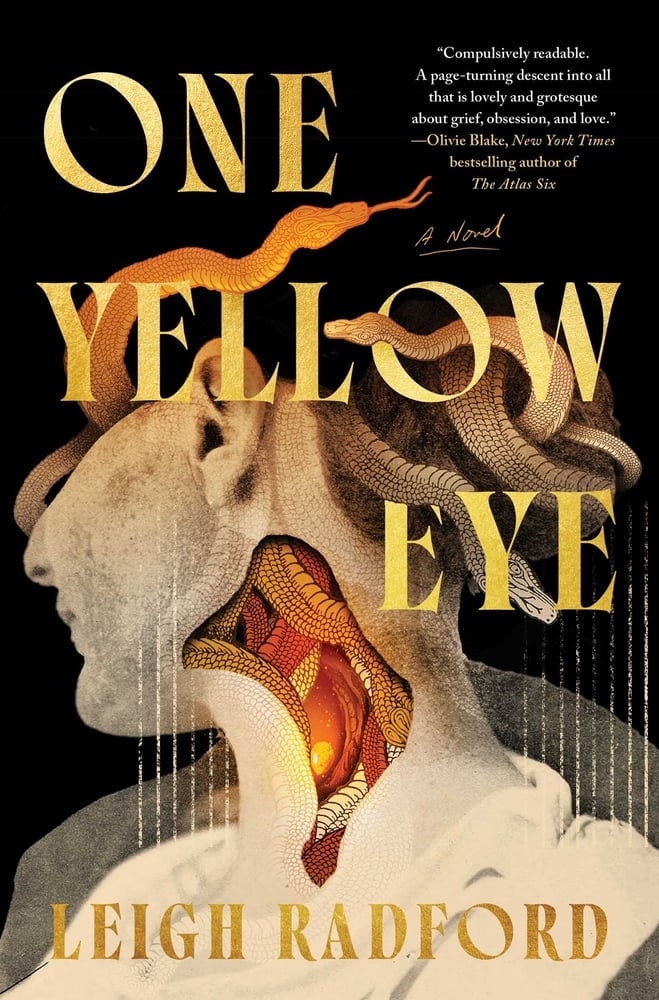
One Yellow Eye is set in the aftermath of a zombie epidemic, with London in recovery mode after the government has eradicated all of the infected. Well, except for one. Scientist Kesta has her infected husband, Tim, locked up in her flat and she’s doing everything in her power to safely keep him alive (it involves handcuffs and a lot of sedation) in the hope of a cure being developed.
Out in public, Kesta wears the mask of a grieving widow—something that is easy to do, given Tim’s declining state and her bone-deep exhaustion and anxiety—but she isn’t ready to give up on the love of her life just yet (even though he’d like to sink his teeth into her). When Kesta is hired by the top-secret lab that is researching the virus and attempting to create a cure, it seems her devotion might finally pay off. But then again, maybe her new job will simply deepen her denial about Tim’s condition.
I won’t reveal which direction the story ultimately goes in, but either way it’s a rumination on a particular type of pain—the kind that comes from being trapped in limbo, watching someone you love fight for their life in what seems to be a losing battle.
Anger: How to Sell a Haunted House by Grady Hendrix (2023)

When Louise’s parents suddenly die in a car crash, she has to fly across the country to deal with their estate. The Herculean task of clearing out and selling her childhood home—which is stuffed to the rafters with her mom’s doll and puppet collection—is made all the more difficult by her brother, Mark.
Louise and Mark don’t have the best relationship. She resents the amount of support that he got (and, in her opinion, squandered) from their parents, and she’s pretty sure that he resents her success in life (a good job, a cute kid, etc.). The siblings clash over how best to tackle the house and tensions are taken to a new level when their parents’ will is read.
While the horror elements in How to Sell a Haunted House are as campy as they are creepy (don’t expect a typical ghost story with that many puppets around!), the core of the novel is grounded in real emotions. Louise isn’t just angry over the sudden loss of her parents and the subsequent mess that she has to clean up—she’s boiling with rage.
Bargaining: The Fisherman by John Langan (2016)
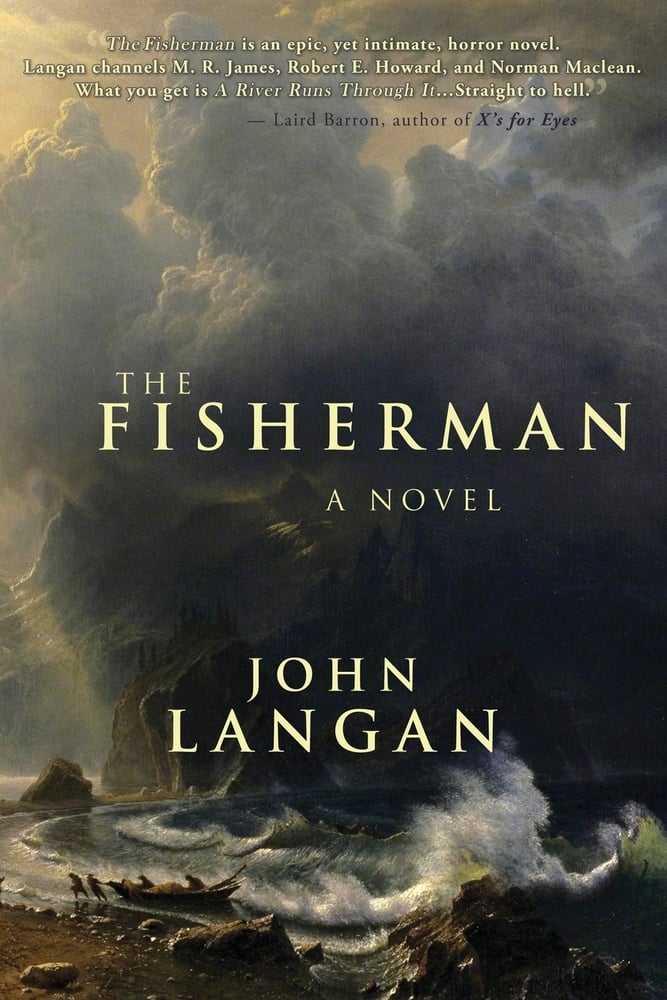
I could have chosen Stephen King’s Pet Sematary (1983) to represent the bargaining stage of grief, but instead I’d rather direct your attention to a book that isn’t quite as well known, but that is just as harrowingly powerful. John Langan’s The Fisherman follows a pair of unlikely friends as their grief propels them down a dangerous road—or, rather, river.
Main characters Abe and Dan start out as co-workers whose lack of shared interests and age difference—Abe is twenty years older than Dan—has kept them at a distance, albeit a friendly one. That all changes when Dan’s wife and twin sons are killed in a car crash. Abe is all too familiar with grief, having lost his wife to cancer years earlier. Having found solace in fishing when dealing with his own grief, Abe invites Dan along to cast a line, in the hope that it will do the same for him.
When stories of a strange place called Dutchman’s Creek reach the two widowers, they’re plunged into a Lovecraftian tale—one that shows that the granting of wishes made during grief’s bargaining stage wouldn’t be a dream come true, but a nightmare.
Depression: Crossroads by Laurel Hightower (2020)
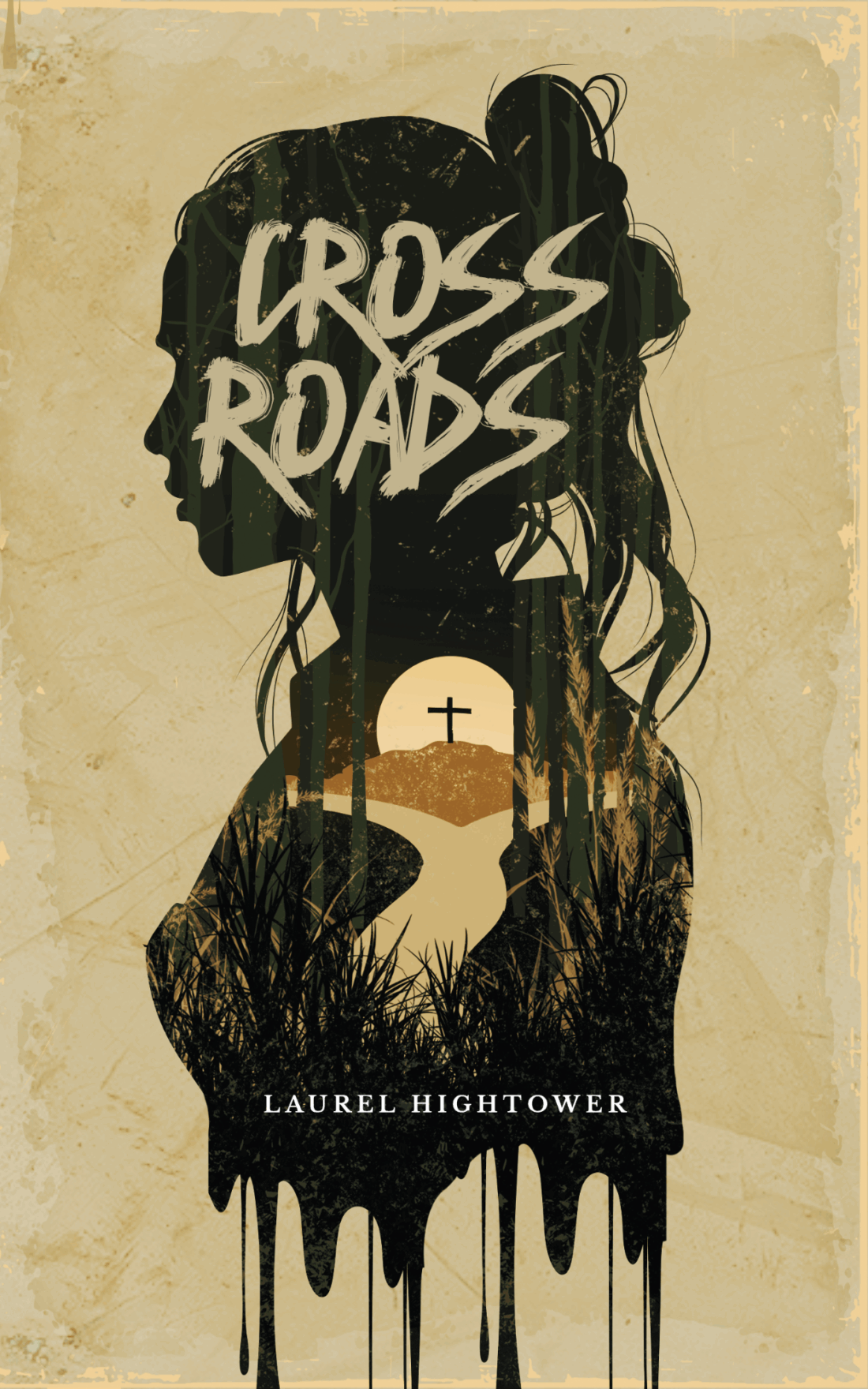
I’ve matched Crossroads to depression, but remember that depression can express itself in many ways, and different people have different experiences and different symptoms. It’s been a year since Chris’ son, Trey, was killed in a car accident and she seems to be coping relatively well on the surface, but grief-induced depression has inexorably wormed its way into her life.
Chris frequently visits the memorial on the side of the road where Trey died, and one day she accidentally cuts her finger, spilling a drop of blood onto the site of the tragedy. Later that night, she sees what she is sure is his ghost outside her window. Chris figures that the spilling of her blood is connected with the appearance of Trey’s ghost, and finds herself willing to self-harm in order to spend just a little bit more time with him.
As you might be able to glean from that set up, Crossroads goes to some very dark places, but as well as being horrifying, this allows the story to pack an incredibly emotionally punch in its exploration of the depression that can grow out of grief and loss.
Acceptance: The Haar by David Sodergren (2022)
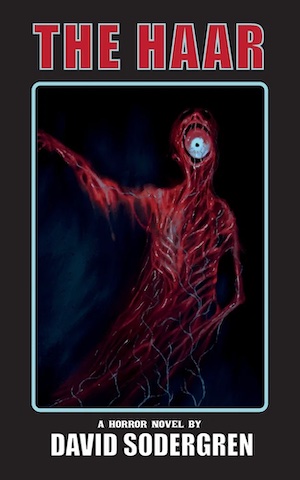
Muriel McAuley is an 84-year-old woman who has lived in the small village of Witchaven, on the wind-swept coast of Scotland, for her entire life. Her fisherman husband, Bill, was lost at sea many years previously and while she never found love again, she’s happy enough with her quiet life. That is, until an American property developer with deep pockets attempts to run the few remaining Witchaven residents out of their homes.
Muriel isn’t about to be bought or bullied out of her home, but an octogenarian—even one with gumption to spare—isn’t a fair match for a massive corporation. Thankfully, Muriel’s luck changes when she rescues a strange amorphous sea creature on the beach one day—a creature that just so happens to have an insatiable bloodlust.
The Haar contains some truly disgusting gory descriptions, but there’s also a heartfelt romantic thread running through the story. Although these two elements may seem disparate, they come together in the tender portrayal of Muriel’s longstanding grief and her acceptance of the loss.
There are, of course, many more horror stories that explore the real-world horrors of grief, loss, and bereavement. Feel free to leave your recommendations in the comments below—whether or not they fit neatly into one of the five stages.

